Key takeaways
- A Bandarban trip works best from a Dhaka overnight bus (roughly 8-10 hours) or a Dhaka-Chattogram train followed by a bus or reserved jeep up into the hills.
- The best time to visit Bandarban is generally November to March for clear, dry trekking weather; go in September-October if you want the waterfalls at full roar.
- Headline sights: Nilgiri, Chimbuk Hill, the Golden Temple (Buddha Dhatu Jadi), Meghla, Nilachal, plus the harder-to-reach Boga Lake and Nafakhum waterfall.
- Deep-hill areas around Ruma and Thanchi typically need a registered local guide and, at times, permits and police/army registration - rules change, so verify the current situation before you lock in dates.
- A typical 3-day Bandarban tour cost often lands somewhere around 6,000-12,000 BDT per person in a small group, but every figure here is an indicative range that shifts with season, group size and negotiation.
- Reserve a Chander Gari (jeep) for hill routes, carry cash, and treat all fares and entry fees as approximate - confirm current prices on the ground.
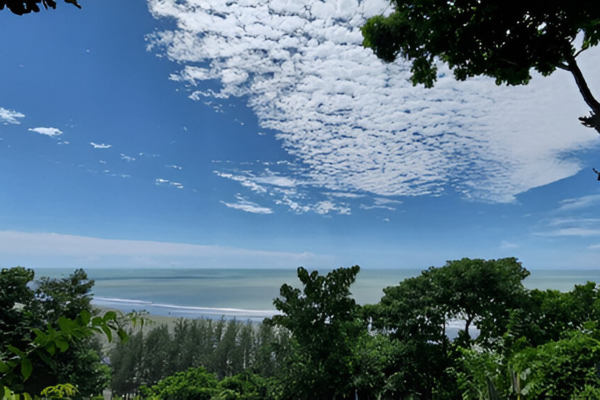
Bandarban is the wild, green heart of the Chittagong Hill Tracts - a district of layered ridges, Buddhist temples, hill-tribe villages and waterfalls that many Bangladeshis put at the top of their domestic bucket list. This Bandarban trip guide walks you through how to get there from Dhaka, when to go, the top places to visit one by one, a workable 2-3 day itinerary, where to sleep and eat, indicative tour costs, and the safety and permit rules that genuinely matter in these hills. Every price and travel time below is an indicative range drawn from recent operator listings and traveller reports - treat them as starting points, not fixed quotes, and confirm current prices locally. Last updated: July 2026.
How to go to Bandarban from Dhaka

Bandarban has no airport and no railway station of its own, so every route funnels through the road network - either straight from Dhaka by long-distance coach, or via Chattogram (Chittagong) and then up into the hills. Here's how the main options compare.
By bus (the standard choice)
Direct overnight coaches run from Dhaka to Bandarban town most nights. Operators travellers commonly use include Shyamoli, Saudia, S. Alam, Hanif and Dolphin. As an indicative guide, non-AC fares sit around 550-900 BDT and AC coaches typically run 950-1,600 BDT depending on the operator and class. Budget 8-10 hours - leave Dhaka in the evening and you'll usually roll into Bandarban around dawn, which is perfect for starting a hill run the same morning. Confirm current fares and timings when you book.
By train (via Chattogram)
There's no train to Bandarban itself. What you can do is take a Dhaka-Chattogram intercity train (Sonar Bangla, Subarna Express, Mahanagar Provati and others), which is comfortable and scenic, then continue from Chattogram to Bandarban by bus - roughly a further 2.5-3.5 hours on the road. This combo suits travellers who dislike overnight coaches, but it adds a transfer and often a night in Chattogram. Confirm current train schedules and buy tickets in advance, especially around holidays.
By air (via Chattogram)
You can fly Dhaka to Chattogram (Shah Amanat) in under an hour on carriers such as Biman Bangladesh, US-Bangla or Air Astra, then drive the rest of the way. It's the fastest way to shorten the long haul, but by the time you add the airport-to-hills road leg it mainly saves you an uncomfortable night rather than a whole day. Best for short trips where time beats budget.
Getting around inside the district
Once you're in Bandarban town, the workhorse of the hills is the Chander Gari - an open-back four-wheel-drive jeep that grinds up gradients ordinary cars can't handle. You reserve one for a day or a route (shared by your group), and it's essential for Nilgiri, Chimbuk and the Thanchi/Ruma roads. CNG auto-rickshaws and local buses cover shorter, easier hops. The nearest onward access point for anyone coming from outside is Chattogram, then bus or jeep onward.
Best time to visit Bandarban

The short answer: November to March. These cool, dry months generally give you clear skies, comfortable trekking temperatures, safer hill roads and the big-view days that make Nilgiri and Chimbuk worth the climb. It's peak season, so book transport and rooms ahead.
If your priority is waterfalls, aim for September to October, just after the monsoon, when Nafakhum and the Sangu-fed streams are at their fullest and most dramatic. The trade-off is muddier trails, higher river levels and access that can be cut off by heavy rain. Deep monsoon (June-August) is best avoided for hill trekking - landslides and washed-out roads are real risks. Whenever you go, check the weather and current road conditions before committing.
Top places to visit in Bandarban

Here are the district's signature spots, from the easy half-day drives near town to the multi-day expeditions deep in the hills.
Nilgiri
Nilgiri is Bandarban's postcard viewpoint - a high ridge-top area where clouds literally drift below and past you on a good morning. It sits on the Chimbuk road some distance from town (commonly cited at roughly 46-50 km), reached by reserved jeep, and there's usually a small entry ticket plus a parking charge (treat any figure as indicative and confirm on arrival). Sunrise here, with the valleys wrapped in mist, is the image most people carry home from a Bandarban trip.
Chimbuk Hill
On the way to Nilgiri, roughly 20-25 km from Bandarban town, Chimbuk is one of the higher accessible peaks in the country and a classic photo stop for panoramic ridge views and cool breeze. Many travellers pair Chimbuk and Nilgiri into a single jeep day, adding Shoilo Propat waterfall and a hill-tribe village or two along the same route.
Golden Temple (Buddha Dhatu Jadi)
Perched on a hill near Balaghata, a few kilometres from town, the Buddha Dhatu Jadi is one of the largest Theravada Buddhist temples in Bangladesh and holds a very large Buddha statue. Built in a South-East Asian golden style, it's a genuinely striking, peaceful site. Dress modestly, remove your shoes where required, and keep noise down - it's an active place of worship, not just a photo op.
Meghla
Meghla, just outside town, is the easy family-friendly stop: a small tourism complex with a lake, hanging bridges, a cable-car style ride, a mini-safari area and boating. It's low effort and popular with first-timers and kids - a gentle way to start or end a trip without a hard climb.
Nilachal
Nilachal ("blue hill") sits close to town and is a go-to sunset spot, with wide views over the surrounding hills, valleys and the Sangu River. Because it's near Bandarban and easy to reach, it gets busy in the late afternoon - arrive early to claim a good vantage point as the light drops.
Sangu (Shangu) River
The Sangu - also called the Shankha - is often described as the only major river that both rises and ends inside Bangladesh, and it threads right through Bandarban. Short boat trips near town are pleasant, and upriver the Sangu becomes the lifeline route toward Thanchi and Remakri for the deeper adventures below.
Boga Lake
Boga Lake is a high, near-circular natural lake ringed by hills in the Ruma area - a strikingly blue body of water with local legends attached. Reaching it means going via Ruma, then a reserved jeep on a rough hill road and, depending on conditions, some walking. It's a multi-day undertaking and one of the areas where a local guide and current-rule checks are non-negotiable (see safety below).
Nafakhum waterfall
Nafakhum, sometimes called the "Niagara of Bangladesh" for its broad curtain of water, is the district's most famous falls and a serious expedition. The classic chain runs: Bandarban to Thanchi (a long stretch, often cited around 79 km) by bus or reserved Chander Gari; Thanchi to Remakri by boat up the Sangu (permission required); then a trek of a few hours along the Remakri canal to the falls. You must hire a local guide from Thanchi - it's not sensible or, at times, permitted to go without one. Plan for at least two days, and note that boat permission to head upriver is generally not granted later in the day, so reach Thanchi early.
Ruma and Thanchi (the deep hills)
Ruma and Thanchi are the two upazilas that unlock Bandarban's most spectacular backcountry - Boga Lake, Keokradong, Nafakhum, Amiakhum and beyond. Access to parts of these areas has been restricted and reopened at various times in recent years, and it can be limited to administration-approved routes and spots that may tighten again at short notice. This is exactly where you register, hire a guide, and confirm the current situation before you go rather than assuming last year's information still holds.
Suggested 2-3 day Bandarban itinerary
This is a practical, doable plan for a first visit that mixes easy sights with one bigger adventure. Adjust to your fitness, budget and the current access rules.
Day 1 - Arrival and the town circuit
Arrive on the dawn bus, freshen up, and reserve a Chander Gari for the classic near-town loop: Golden Temple, Meghla, Shoilo Propat and Nilachal for sunset. It's low-intensity, gets you oriented, and lets your body adjust before the hills. Register with local authorities if your onward plan includes restricted areas.
Day 2 - Chimbuk and Nilgiri
Full jeep day up the Chimbuk road: stop at Chimbuk Hill for the panorama, continue to Nilgiri for the cloud-level views, and visit a hill-tribe village and waterfall en route. If you're heading deeper, this is also the day to push toward Thanchi or Ruma with your guide and start the Boga Lake or Nafakhum leg.
Day 3 - Big adventure or easy exit
Either commit the day to a guided Nafakhum or Boga Lake push (realistically this needs an early start and often spills into a second night), or keep it gentle with a Sangu River boat trip and last-minute shopping for hill-woven textiles before catching an evening bus back. If you want the deep hills without rushing, add a fourth day - the Nafakhum round trip in particular is tight in 48 hours.
Where to stay in Bandarban
Bandarban town has the widest choice - from budget guesthouses to mid-range hotels and a handful of well-known resorts on the outskirts, plus government rest houses. Nilgiri has a small, in-demand hilltop resort (book far ahead). In Ruma and Thanchi, expect basic guesthouses and simple board-and-lodging; up at Boga Lake and in remote paras you're often in very simple community lodging or homestays arranged through your guide. Book town and Nilgiri accommodation ahead in peak season; for the deep hills, let your guide arrange the sleeping logistics. Since specific hotels open, close and change hands, check current names, availability and rates on a booking platform or with your operator before you rely on any one property.
Food in Bandarban
Bandarban town covers the basics well - rice-and-curry hotels, Bengali staples, and a few places doing local hill-tribe specialities. Look out for bamboo chicken (chicken cooked inside a bamboo tube over fire), local jhum-grown vegetables, and fresh river fish. Up in the remote areas, meals are simple and cooked to order, so patience helps. Carry snacks and plenty of water for trek days, and stick to freshly cooked, hot food and sealed or boiled water to avoid stomach trouble on the trail.
Indicative Bandarban tour cost
What you actually spend depends hugely on group size (jeeps and boats are priced per vehicle, so bigger groups pay less each), season and how hard you bargain. The table below gives indicative ranges to help you budget - not fixed prices. Confirm every current figure locally before you commit.
| Item | Indicative cost (BDT) | Notes |
|---|---|---|
| Dhaka to Bandarban bus (one way) | 550-1,600 per person | Non-AC lower end; AC upper end; 8-10 hrs |
| Chander Gari (jeep) reserve, near-town day | 4,000-7,000 per vehicle/day | Split across the group; route-dependent |
| Bandarban to Thanchi (reserved jeep) | 5,500-6,500 per vehicle | Carries a group; bus is cheaper per head |
| Thanchi to Remakri boat (round trip) | 4,000-5,500 per boat | A few people per boat; permission needed |
| Local guide (deep hills) | 1,500-2,500 per day | Usually mandatory for Nafakhum/Boga area |
| Nilgiri entry | Small ticket (+parking) | Modest fee; confirm current rate on arrival |
| Guesthouse / hotel (town) | 800-3,500 per room/night | Budget to mid-range; resorts cost more |
| Packaged 3-day group tour | ~6,000-12,000 per person | Varies with group size and inclusions |
As a rough all-in for a self-organised 3-day trip in a small group, many travellers land somewhere in the 8,000-15,000 BDT per-person range once transport, jeep, stays, food, guide and entry fees are added - but that's a ballpark, not a promise. Prices drift year to year and spike around holidays, so always verify current prices.
Safety and responsible travel
Bandarban is generally rewarding to visit, but it's a border and hill-tract region with real rules you must respect. Some areas - particularly deep in Ruma and Thanchi - can require permits, security clearance and registration, and may be temporarily closed at short notice. Foreign nationals in particular often need permission arranged through a registered operator, and all visitors may be asked to register with the police or district authorities (for example at hill checkpoints, or with the Deputy Commissioner and Superintendent of Police offices) before heading into restricted zones. A local guide is typically mandatory for the backcountry and genuinely useful everywhere.
Practical safety notes: trek only in daylight, keep to approved routes, carry your ID, keep enough cash (ATMs are scarce beyond town), and don't attempt Boga Lake or Nafakhum solo or in the rainy season. Respect the hill communities - ask before photographing people, dress modestly, and don't treat villages as a backdrop. Because registration, army-permission and permit rules in the Chittagong Hill Tracts do change, check the current situation with your operator, local police or the district administration right before you travel rather than relying on any single guide, including this one.
Frequently asked questions
How do I go to Bandarban from Dhaka?
The most common way is a direct overnight bus from Dhaka to Bandarban town, taking about 8-10 hours (non-AC roughly 550-900 BDT, AC around 950-1,600 BDT as an indicative range). Alternatively, take a train or flight to Chattogram and continue by road (about 2.5-3.5 hours). There's no airport or railway station in Bandarban itself. Confirm current schedules and fares before you travel.
What is the best time to visit Bandarban?
November to March is generally the best time to visit Bandarban - dry, cool weather, clear views and safer hill roads. If you specifically want the waterfalls at full flow, September to October (just after the monsoon) is ideal, though trails are muddier and access can be disrupted by rain. Avoid deep monsoon (June-August) for hill trekking.
What are the top places to visit in Bandarban?
The headline places to visit in Bandarban are Nilgiri, Chimbuk Hill, the Golden Temple (Buddha Dhatu Jadi), Meghla, Nilachal and the Sangu River near town, plus the deeper adventures of Boga Lake and Nafakhum waterfall in the Ruma and Thanchi areas. Near-town sights are easy half-day trips; the deep-hill spots need more days and a guide.
How much does a Bandarban tour cost?
Indicatively, a self-organised 3-day Bandarban trip in a small group often costs roughly 8,000-15,000 BDT per person all-in, while packaged group tours are frequently advertised around 6,000-12,000 BDT per person. Costs swing with group size, season and bargaining, so treat these as indicative ranges and confirm current prices locally.
Do I need a permit or guide for Bandarban?
For the town circuit and easy sights like Nilgiri and the Golden Temple, most domestic visitors don't need special permits. But deep-hill areas around Ruma and Thanchi - Boga Lake, Nafakhum and beyond - typically require a local guide and often permits, security clearance and registration with the police or district authorities. Rules change and areas can close at short notice, so verify the current requirements before you go.
Is Bandarban safe for tourists?
Bandarban is generally considered safe for tourists who stick to approved routes, travel by day, use a registered local guide in the hills and follow permit and registration rules. Avoid restricted zones, don't trek solo or in heavy rain, respect local communities, and keep informed about the current security situation, which can shift. Always check the latest official guidance before travelling into the deeper Chittagong Hill Tracts.
All fares, entry fees, tour costs and travel times in this guide are indicative ranges only and vary with season, class, group size and negotiation - they are not fixed quotes. Permit, registration and security rules in the Chittagong Hill Tracts change over time, and specific operators, hotels and routes can change or close. Please verify current prices and rules locally with operators and the relevant authorities before you travel. For more practical rankings and roundups, see our top 10 lists, and explore more data-driven guides at Countly.