Key takeaways
- Kuakata is one of the few beaches where you can watch both sunrise and sunset over the sea from roughly the same stretch of sand, which is why locals call it Sagar Kanya (Daughter of the Sea).
- The easiest way to go is a direct night bus from Dhaka over the Padma Bridge, roughly 8-10 hours; an overnight launch to Barishal is the scenic alternative.
- Best time to visit is November to February for dry, clear weather and reliable sunrise/sunset views.
- Top sights: Kuakata sea beach, Gangamati reserved forest, Fatrar Char, the Rakhine village with Misripara Buddhist temple, and Lebur Char.
- A 2-3 day trip is comfortable; indicative costs range from a few thousand taka (budget) to the higher thousands per person for a mid-range plan.
- All prices and times here are indicative and swing with season, class and bargaining. Always confirm current rates, schedules and any local rules before you travel.
Kuakata is a long, flat, silvery beach on the southern tip of Bangladesh where the horizon does something almost nowhere else in the country manages: it hands you the sunrise and the sunset over the same reach of the Bay of Bengal. That single trick is why people travel eight hours or more to stand on this sand. This Kuakata travel guide covers how to get there from Dhaka, when to go, what to see one attraction at a time, a workable 2-3 day itinerary, where to sleep and eat, and roughly what it costs, with honest ranges rather than invented exact figures. Last updated: July 2026.
Why Kuakata is worth the trip

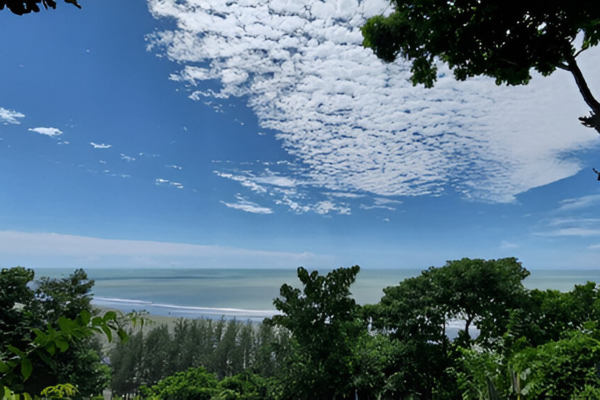
Most Bangladeshi beaches face the sea in one direction. Kuakata's shoreline curves just enough that, from roughly the same spot, you can watch the sun climb out of the water at dawn and sink back into it at dusk. That is the headline, but the appeal runs deeper than a photo opportunity.
The beach is wide and gently sloping, so at low tide the sand seems to stretch out forever. Behind it sit patches of coastal forest, small fishing hamlets and a Rakhine community whose culture, temples and weaving give the area a texture you will not find at busier resorts. It is quieter than Cox's Bazar, less commercial, and still feels a little raw, which is exactly what a lot of travellers are after.
How to go to Kuakata from Dhaka

The short answer: for most people, a direct night bus is the simplest and cheapest way. Since the Padma Bridge opened, the southern route is faster than it used to be, and buses run straight through to Kuakata without the old ferry waits.
By bus (the usual choice)
Several operators run direct coaches from Dhaka (departing from Gabtoli, Sayedabad and other terminals) to Kuakata via the Padma Bridge and Barishal. Expect a journey in the region of 8 to 10 hours depending on traffic, road works and stops. Overnight departures are popular because you arrive around sunrise, which fits the whole point of the trip. Both non-AC and AC coaches operate; AC costs more, but the comfort difference on a long ride is real. Fares and timings vary by operator and season, so confirm before you book.
Via Barishal and the launch route
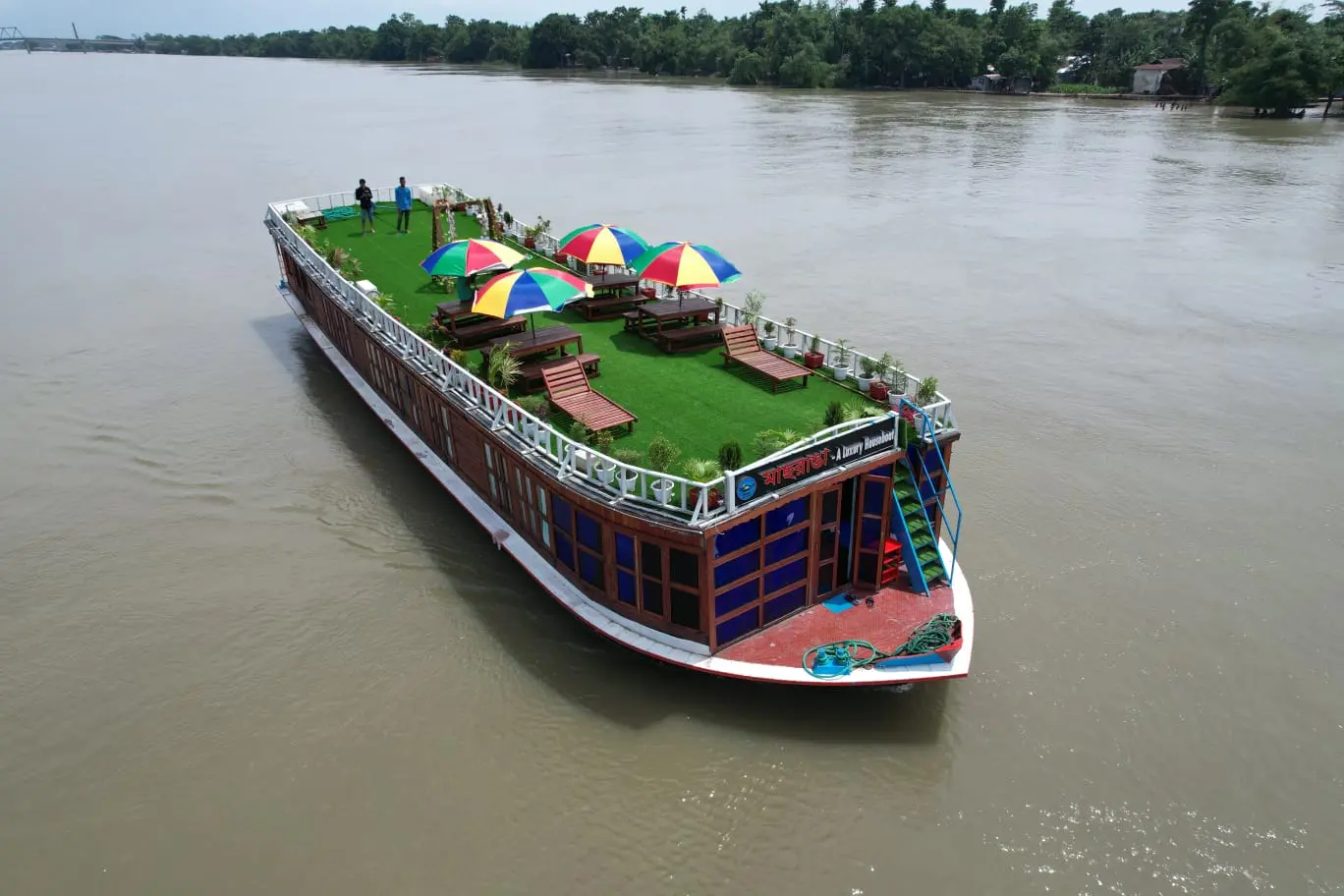
If you would rather make the journey part of the holiday, take an overnight launch (river ferry) from Dhaka's Sadarghat to Barishal, then continue to Kuakata by bus or hired vehicle. The launch is a classic Bangladeshi experience, and a cabin lets you sleep on the water. From Barishal, the road to Kuakata takes a few more hours. This route is slower overall but memorable. Launch routes and schedules change, so check what is currently running before you rely on it.
By air (fastest, if budget allows)
There is no airport at Kuakata itself. The nearest practical option is flying Dhaka to Barishal, then driving on to Kuakata by road. Flying cuts the long overland leg dramatically but costs considerably more, and you still face a few hours on the road at the end. It suits travellers who are short on time and comfortable spending for it.
Getting around once you arrive
In and around Kuakata, the workhorses are motorbikes (with a local rider), battery-run auto-rickshaws (locally called easy-bikes) and, for the char islands, small boats. Many visitors book a half- or full-day "tour bike" package that loops the main sights. Agree the price before you set off, because fares are negotiable and quoted rates climb in peak season.
Best time to visit Kuakata
The best time to visit Kuakata is the cool, dry season from November through February. Skies are clearer, the sea is calmer, humidity drops, and your odds of a clean sunrise and sunset over the Bay of Bengal are highest. This is also peak season, so hotels fill up and prices rise, especially around weekends and public holidays.
October and March are pleasant shoulder months with thinner crowds and softer prices. From April the heat builds, and the June-to-September monsoon brings heavy rain, rough seas and occasional cyclonic weather; some travellers still go for the dramatic skies and greenery, but swimming and boat trips get riskier. If you visit in the monsoon, watch the forecast and follow local advice closely.
Top places to visit in Kuakata
Here are the main places to visit in Kuakata, one by one. You can realistically cover all of them across two to three days.
Kuakata sea beach (Sagar Kanya)
The main event: a broad, dark-sand beach running for kilometres, famous as a rare spot to see both sunrise and sunset over the sea. Dawn on the eastern side and dusk on the western side are the signature moments, so plan your day around them. During the day you can walk the shoreline, ride a beach bike, or simply watch the fishing boats. Swim only where the water is shallow and calm, and stay clear of channels cut into the sand.
Gangamati reserved forest
At the eastern end of the beach lies Gangamati reserved forest, a stretch of coastal woodland where the trees run almost to the tideline. It is a favourite spot for watching the sunrise, with the light filtering through the greenery. A walk here is peaceful and a nice contrast to the open sand. Wear closed shoes; the ground can be muddy and root-tangled.
Fatrar Char
Fatrar Char is a forested island to the west, reached by boat, with mangrove-style forest, quiet channels and birdlife that many compare to the Sundarbans. The boat ride out is part of the experience. Because access depends on tides and boat availability, build in flexibility and confirm return timing with your boatman before you leave the shore.
Rakhine village and Misripara Buddhist temple
Kuakata is home to a Rakhine community, and visiting one of their villages offers a window into a distinct culture, from handloom weaving to daily life. Nearby, the Misripara Buddhist temple houses a large Buddha statue, often cited as one of the largest of its kind in the country, and is an important local place of worship. Dress modestly, remove your shoes where required, ask before photographing people, and treat the temple as the active religious site it is.
Lebur Char (Lebur Bon)
Lebur Char is another scenic char known for its stretch of low forest meeting the beach, red crabs skittering across the sand at low tide, and wide, uncrowded views. It is a good spot to slow down, watch birds and take in the landscape away from the busier central beach. Boats and bikes reach it as part of most local tour loops.
A note on rules and access
Coastal forests, char islands and reserved areas can have entry, timing or permit rules that change, and boat access shifts with the tides and the weather. Some sites may be restricted during rough seas or for conservation. Check current rules and conditions locally, and follow the instructions of forest staff, boatmen and any posted signs before you head out.
Suggested 2-3 day Kuakata itinerary
Here is a simple Kuakata trip plan that hits the highlights without rushing. Adjust it to your energy and the tides.
Day 1 — Arrival and the beach
Arrive on the morning bus, check in and rest. Spend the late afternoon on the main Kuakata sea beach, then position yourself on the western side for sunset. Have a seafood dinner near the beach.
Day 2 — Sunrise, forests and culture
Rise early and head to Gangamati forest or the eastern beach for sunrise. After breakfast, take a bike or boat tour covering Lebur Char and the Rakhine village, then the Misripara Buddhist temple. Return for another sunset over the sea.
Day 3 — Fatrar Char and departure
Catch a morning boat to Fatrar Char (tide permitting), explore the forest, then return, pack up and take an afternoon or evening bus back toward Dhaka. If you are short on time, drop this day and do Fatrar Char on the afternoon of Day 2 instead.
Where to stay in Kuakata
Kuakata's accommodation clusters near the beach and along the main road into town. You will find a spread from simple budget guesthouses to mid-range hotels and a few higher-end resorts. Rooms with a sea view or a rooftop cost more, and rates jump sharply in peak season and around holidays.
Book ahead for November-February weekends. Off-season, walk-in bargaining can land a good discount, but check the room first: mattress, fan or AC, water pressure and cleanliness vary a lot at the budget end. For a quieter stay, pick a hotel slightly back from the busiest beach entrance. Confirm the current rate and what it includes before you hand over money.
Food in Kuakata
Seafood is the reason to eat here. Fresh fish, prawns, crab and squid appear on menus at the beachfront stalls and hotel restaurants, often grilled or fried to order; you sometimes pick your catch and pay by weight. Confirm the price per piece or per kilo before it hits the pan, since this is where bills surprise people.
Beyond seafood you will find standard Bangladeshi fare: rice, dal, bhorta, and chicken and beef curries. The Rakhine community also contributes its own dishes and snacks worth trying. Drink bottled or properly treated water, and be a little cautious with roadside food if you have a sensitive stomach.
Indicative Kuakata tour cost
Costs depend heavily on how you travel, where you sleep and how hard you bargain. The table below gives indicative ranges for a 2-3 day Kuakata tour cost per person from Dhaka. These are ballpark figures to help you budget, not fixed quotes, so verify current prices before you commit.
| Item | Budget (indicative) | Mid-range (indicative) |
|---|---|---|
| Dhaka to Kuakata bus (return) | Lower end, non-AC coach | Higher, AC coach |
| Hotel (2 nights) | Simple guesthouse | Mid-range hotel / sea view |
| Local tour (bike/boat, char islands) | Shared, negotiated | Private half/full-day loop |
| Food (per day) | Local meals, modest seafood | More seafood, restaurant dining |
| Rough 2-3 day total | A few thousand taka | Mid-to-high thousands taka |
Two levers move this total the most: choosing AC over non-AC transport, and picking a sea-view hotel over a basic guesthouse. A solo backpacker who bargains and travels non-AC can keep it low; a couple wanting comfort and private tours will pay several times that. Fares also rise noticeably in peak season, so shift your dates if budget is tight.
Safety and responsible travel
Kuakata is generally a calm, family-friendly place, but the sea deserves respect. Currents can be strong and the seabed drops or hides mud channels, so swim only in shallow, busy areas during daylight, never alone, and get out if the water pulls at you. Watch children closely near the tideline.
On land, agree all fares and boat prices before you start, keep valuables secure, and avoid empty beach stretches alone after dark. During the monsoon, heed cyclone warnings and local advice; boat trips to the chars can be cancelled for good reason. When visiting the Rakhine village and the Buddhist temple, dress and behave respectfully, ask before taking photos of people, and buy from local artisans if you would like to support the community. Take your litter with you: the beach and forests stay beautiful only if visitors keep them clean.
Planning resources
For more destination ideas and rankings, browse our top 10 lists, and head back to Countly for data-led guides across travel and beyond. Cross-check current bus schedules, hotel rates and weather before you commit to dates.
Frequently asked questions
How do I go to Kuakata from Dhaka?
The most common way is a direct night bus from Dhaka (Gabtoli or Sayedabad) to Kuakata via the Padma Bridge, taking roughly 8-10 hours. You can also travel by launch to Barishal and continue by bus, or fly to Barishal and drive on. Times and fares are indicative and change with traffic, season and operator, so verify before you book.
What is the best time to visit Kuakata?
November to February is the most comfortable window: dry, cool and clear, which is ideal for catching both sunrise and sunset over the Bay of Bengal. October and March are shoulder months with fewer crowds. The June-September monsoon brings heavy rain and rough seas, so many travellers avoid it.
Why is Kuakata called Sagar Kanya?
Kuakata is nicknamed Sagar Kanya, meaning Daughter of the Sea. Its long, gently sloping beach faces the Bay of Bengal in a way that lets you watch both the sunrise and the sunset over the water from almost the same stretch of sand, which is rare in Bangladesh.
What are the top places to visit in Kuakata?
The main draws are Kuakata sea beach itself, Gangamati reserved forest, Fatrar Char, the Rakhine village with Misripara Buddhist temple, and Lebur Char. Most of these can be covered over two to three days using local motorbikes, auto-rickshaws or a hired tour. Check current access rules and tides before boat trips.
How much does a Kuakata tour cost?
A budget solo trip from Dhaka can run in the lower thousands of taka for two to three days, while a mid-range couple's trip typically sits in the mid-to-high thousands, mainly driven by transport and hotel choice. All figures are indicative and vary with season, class and negotiation, so treat them as a starting point and confirm current rates.
Is Kuakata safe for tourists?
Kuakata is generally considered a calm, family-friendly destination. The main risks are the sea itself: strong currents and sudden mud channels mean you should swim only in shallow, marked areas and never alone. Guard your valuables, agree fares in advance, and check local conditions during the monsoon.
Disclaimer: All prices, travel times and schedules in this guide are indicative and can change with season, fuel costs, class of service, demand and negotiation. Nothing here is a fixed quote. Verify current fares, hotel rates, boat availability, entry rules and weather conditions locally before you travel, and follow official safety guidance.