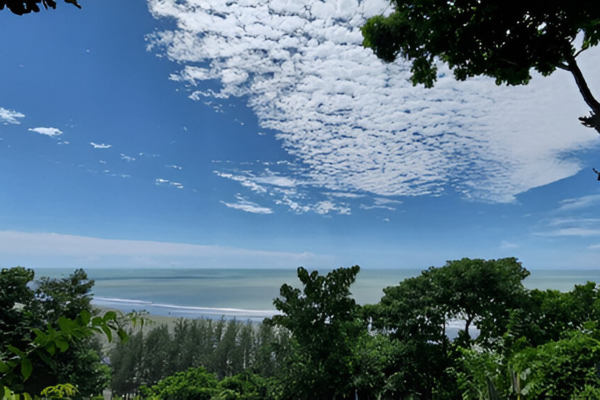
Key takeaways
- You reach it in stages: Dhaka to Sunamganj by bus (indicatively 6-8 hours), then on to Tahirpur, where you hire a tanguar haor boat from the ghat.
- Match the boat to the trip: day-trip engine boats for a single day, multi-day houseboats (budget bojra to premium) to sleep on the water and reach more places.
- Season is a trade-off: monsoon (roughly June-October) = full water and lush green; winter (November-February) = migratory birds, clear skies, and easy access to Tekerghat and Niladri Lake.
- All prices and times here are indicative ranges that swing with season, group size, and negotiation. Verify the current rate locally before you pay.
- It is a protected Ramsar wetland: wear life jackets, respect boat capacity, watch the weather, and follow eco-park rules.
Tanguar Haor is one of Bangladesh's great water landscapes: a sprawling freshwater wetland in Sunamganj district, Sylhet division, tucked up against the Meghalaya hills of India. In the rains it becomes an inland sea dotted with half-submerged trees; in winter it draws large numbers of migratory birds. Either way, you experience it from the water, which makes the single most important decision of your trip the tanguar haor boat you choose. This guide covers how to get there, the boat types and indicative costs, the best places to see, when to go, and how to book safely. Every figure is an indicative range, not a fixed fare, and because this is a protected Ramsar site we keep safety and responsible travel central. Last updated: July 2026.
How to go to Tanguar Haor
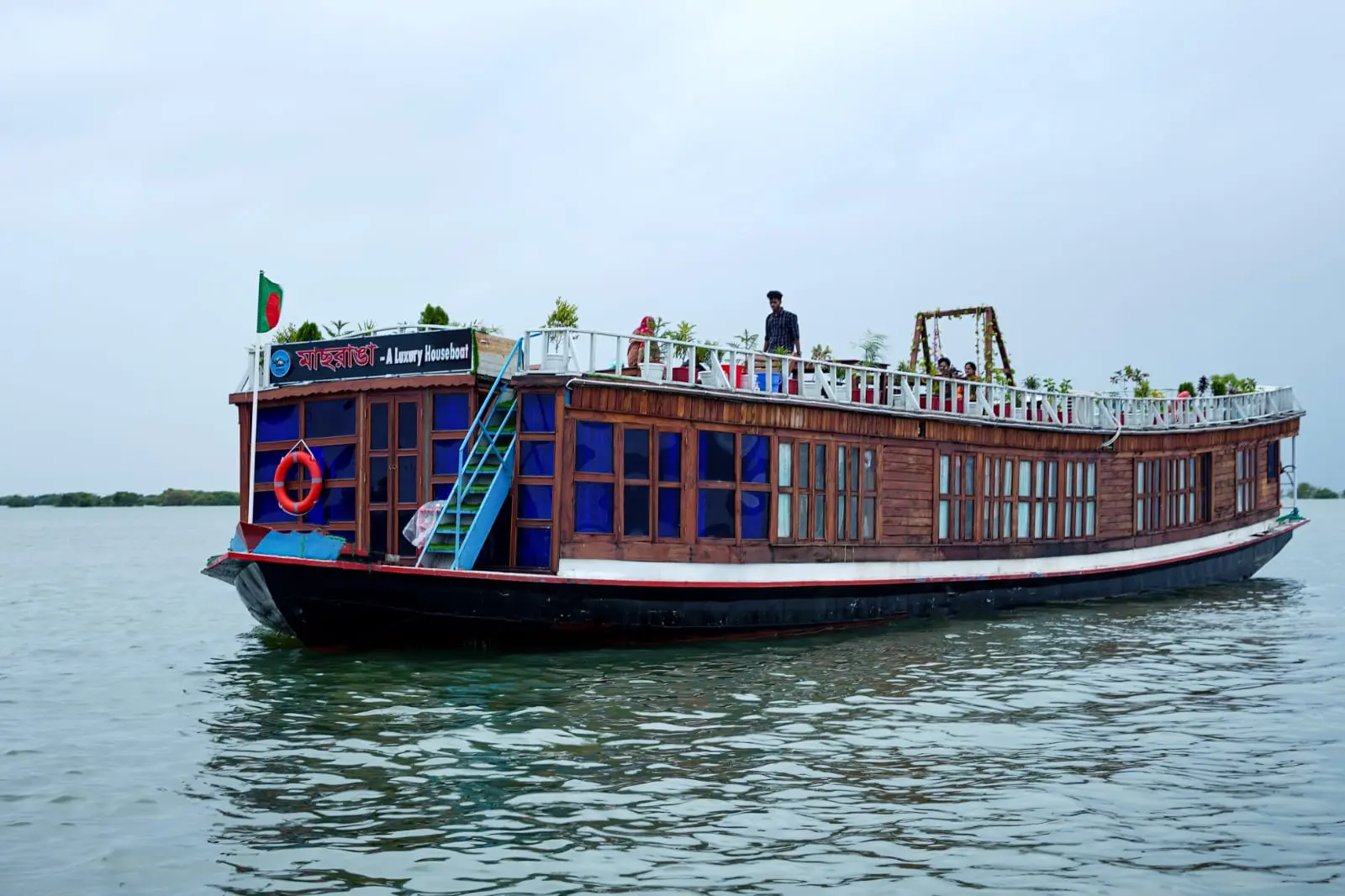
Getting to the water is a multi-leg journey. Tanguar Haor sits in the far north of Sunamganj district, so almost everyone routes through Sunamganj town first, then out to a launching ghat.
From Dhaka to Sunamganj
The most common approach is an overnight bus from Dhaka to Sunamganj. As an indicative figure this leg runs roughly 6 to 8 hours, depending on traffic, road conditions, and stops. Overnight departures are popular because they land you in Sunamganj in the early morning, giving you a full day on the haor. Several coach operators run the route; comfort and price vary, so it is worth comparing seat class.
Via Sylhet as an alternative
You can also travel Dhaka to Sylhet (by bus, train, or a short domestic flight) and then continue overland to Sunamganj, indicatively another 1.5 to 2.5 hours by road. This suits travellers who want to combine Tanguar Haor with Sylhet's tea gardens or Ratargul swamp forest.
From Sunamganj to the boat ghat
From Sunamganj town you head to a launching point, most commonly Tahirpur, the classic ghat for both houseboats and day boats. This last stretch is typically covered by CNG auto-rickshaw or motorbike, and is short but bumpy, especially in the rains. At the Tahirpur ghat you will find boats of every size, and this is where negotiation begins; if you have pre-booked a houseboat, this is usually where you meet it.
Best boat for Tanguar Haor: the main boat types

There is no single best boat tanguar haor answer for everyone; the right choice depends on your group size, budget, and whether you want to sleep on the water. Three categories cover almost every trip.
Multi-day houseboats (bojra and modern houseboats)
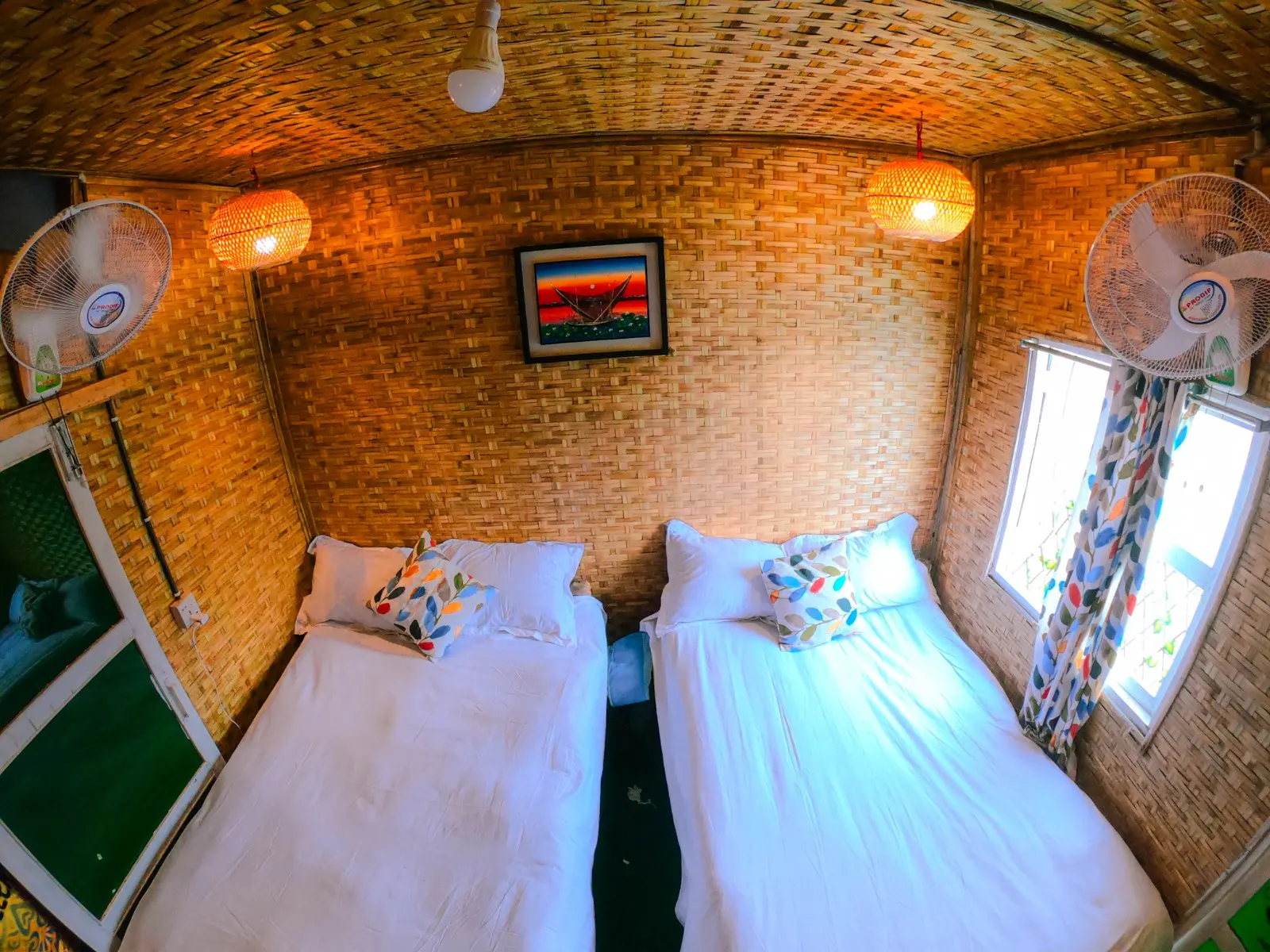
Houseboats are the signature Tanguar Haor experience. They range from simple wooden bojra-style budget boats to modern, well-finished houseboats with sleeping cabins, a rooftop deck, an attached toilet, and a cook. You live on the boat for one or two nights, wake up on the water, and reach far-flung spots without rushing. It is the most comfortable way to catch sunrise and sunset over the wetland.
Day-trip engine boats
If you only have a day, a motorised engine boat is the practical pick. These carry a small group, move quickly between the main sights, and get you back to the ghat by evening. They lack cabins and cooking facilities, but they are much cheaper than a houseboat and ideal for a compact itinerary.
Small wooden boats
For short hops, quiet paddling among the submerged trees, or reaching shallow corners a larger boat cannot, small wooden boats (often rowed or fitted with a small motor) are ideal. They are the cheapest option and give the most intimate feel. Many houseboat trips also carry or hire one for this kind of side excursion.
Top boats and indicative rent: a comparison
The table below sets out the main boat types with indicative capacities and rent ranges so you can size your budget. Treat every number as a starting point for negotiation, not a fixed fare: rates rise sharply in peak monsoon, on weekends, and around public holidays, and fall when demand is low. Capacities are approximate and depend on the specific boat.
| Boat type | Typical capacity | Indicative rent (BDT) | Best for |
|---|---|---|---|
| Small wooden boat | 2-6 people | ~1,000-3,000 / day | Short hops, quiet corners, budget trips |
| Day-trip engine boat | 6-15 people | ~3,000-8,000 / day | One-day sightseeing loop of the highlights |
| Budget houseboat (bojra) | 8-15 people | ~12,000-20,000 / day | Overnight trips for groups on a budget |
| Standard houseboat | 10-20 people | ~18,000-30,000 / day | Comfortable overnight with cabins and a cook |
| Premium houseboat | 12-25 people | ~30,000-45,000+ / day | Groups wanting more comfort, deck space, better food |
Note how the per-person cost drops as your group grows: a houseboat split among a dozen friends can cost less each than a small day boat for two. If you are a solo traveller or a pair, joining a group trip advertised in a travel community is often the cheapest way onto a good houseboat.
Tanguar Haor visiting places
A boat trip is only as good as its itinerary. These are the tanguar haor visiting places most trips build around, and a good route strings several together over a day or two.
Watch Tower and the open haor
The Watch Tower rises out of the water and gives the classic elevated view across the wetland, best in the flooded monsoon months when the water stretches to the horizon. It is a natural first or last stop and a favourite for photos.
Tekerghat and Niladri Lake (Shaheed Siraj Lake)
Tekerghat is the site of an abandoned limestone quarry whose flooded pits formed Niladri Lake, also known as Shaheed Siraj Lake, a striking blue-green body of water framed by rock and hills. It is one of the most photographed spots in the area and a winter highlight.
Barikka Tila, Jadukata River and Shimul Bagan
Nearby, Barikka Tila offers a raised viewpoint over the Jadukata River and toward the Meghalaya hills, with clear-flowing water and gravel beds that feel a world away from the flat haor. In spring, the Shimul Bagan silk-cotton garden erupts into red blossom, a seasonal spectacle worth timing a trip around. Several of these sights sit around the edges of the haor rather than on the open water, so ask your boatman which are realistic to reach on your route and season.
Tanguar Haor season: the best time to go
Choosing your tanguar haor season is really choosing which version of the wetland you want to see. There is no single best time; there is the right time for your priorities.
Monsoon (roughly June to October): the full-water experience
This is the postcard Tanguar Haor. Heavy rains fill the haor to the brim, trees stand half-submerged, and the water spreads out like an inland sea. Houseboats glide for hours across open water, the surroundings are intensely green, and sunrise and sunset over the flood are unforgettable. The trade-off is weather: monsoon brings sudden storms and the occasional washed-out day, so flexibility and a safety-first mindset matter most here.
Late autumn and winter (November to February): birds and clear skies
As the water recedes, Tanguar Haor becomes a different place. This is peak season for migratory birds, which make the haor a birdwatcher's destination. Skies are clearer, the Meghalaya hills sharpen on the horizon, and land-based sights like Tekerghat, Niladri Lake, and Barikka Tila are easier to reach and photograph. The water is calmer and safer, though the flooded drama of the monsoon is gone. For most first-timers who want comfort, scenery, and wildlife, this is the sweet spot.
How to book a boat for Tanguar Haor
Once you know your boat type and season, the question is how to book a boat tanguar haor travellers can rely on. Three main routes suit different trips.
Booking at the ghat (walk-up)
The traditional method is to turn up at the Tahirpur ghat and hire a boat on the spot. This gives you the most negotiating leverage and lets you inspect the boat first, but it is risky in peak season when the best houseboats are already booked. It works best off-season and for flexible travellers.
Tour operators and packages
Numerous operators run fixed-date Tanguar Haor packages that bundle transport, the houseboat, meals, and a guide. You pay more than a bare-boat hire, but you offload the logistics and safety standards are usually clearer. This is the low-stress option for first-timers and anyone short on time.
Facebook travel groups and direct owner contact
A large share of houseboat booking now happens through Bangladeshi travel and haor Facebook groups, where owners post boats, dates, and photos, and group trips look for members. This is often the best value, especially if you are joining an existing group, but do your due diligence: check reviews, confirm exactly what is included, and be wary of large advance payments to unknown accounts.
Booking tips for peak season
In monsoon and on holiday weekends, popular houseboats sell out weeks ahead, so book early. Whatever channel you use, confirm the boat's capacity, whether a cook and meals are included, fuel arrangements, and that life jackets are provided. Agree the price before you board.
Costs, negotiation and what to budget
Beyond the boat rent, budget for the Dhaka-Sunamganj bus, the local ride to the ghat, food (unless your package includes it), an optional guide, and small entry or eco-park fees. Because rates are seasonal and negotiable, the same houseboat can cost very differently on a quiet weekday versus a monsoon holiday weekend. A few habits keep costs sensible: travel in a larger group, avoid the busiest holiday dates, compare two or three quotes, and negotiate politely but firmly. Every price here is an indicative range, not a quoted fare, so treat the on-the-ground rate as real. For more numbers-first travel planning, see our top 10 lists and the wider guides on our homepage.
Safety and responsible travel on a Ramsar wetland
Tanguar Haor is not just a scenic spot; it is an ecologically critical wetland and a designated Ramsar site, which raises the bar on both safety and behaviour.
On-water safety
The main risks are weather and overcrowding. Insist that the boat carries enough life jackets for everyone and wear them, particularly in the monsoon when sudden squalls can whip up dangerous waves. Do not let a boat be loaded beyond its stated capacity, check the forecast before you set out, and travel with an experienced boatman or reputable operator. Keep phones charged and let someone onshore know your rough plan.
Protecting the wetland
As a protected area, Tanguar Haor has eco-park rules and, in places, permit or fee requirements, so ask locally and follow them. Do not disturb bird colonies, especially in winter, keep noise down, avoid single-use plastics, and carry all your rubbish back out. Responsible travel is what keeps the haor worth visiting for the next group.
Frequently asked questions
How much does a Tanguar Haor boat cost?
Costs are indicative and highly negotiable. As a rough guide, a small day engine boat may run in the low thousands of BDT per day and a multi-day houseboat commonly ranges from roughly BDT 12,000 to 40,000+ per day, depending on size, comfort, whether a cook is included, and the season. Peak monsoon weekends and public holidays push prices up. Always confirm the current rate at the Tahirpur ghat before you commit.
What is the best time to visit Tanguar Haor?
It depends on what you want. Monsoon (roughly June to October) gives the classic full-water haor experience with endless water and lush green surroundings. Late autumn and winter (November to February) bring clearer skies, migratory birds, and easier access to Tekerghat, Niladri Lake, and the watchtower. Monsoon is more dramatic; winter is calmer and better for birdwatching.
How do I get to Tanguar Haor from Dhaka?
The common route is Dhaka to Sunamganj by overnight bus, indicatively 6 to 8 hours depending on traffic and road conditions. From Sunamganj town you continue to Tahirpur by local transport (CNG auto-rickshaw or motorbike), then hire a boat from the ghat. You can also route via Sylhet. Times are indicative and vary with weather and season.
Do I need a boat to see Tanguar Haor?
Yes, in practice. Tanguar Haor is a vast wetland and the experience is built around being on the water. A day-trip engine boat covers the highlights in one day, while a multi-day houseboat lets you sleep on the water and reach more places comfortably.
Is a Tanguar Haor boat trip safe?
It can be safe with basic precautions. Insist on life jackets for everyone, do not overload the boat beyond its stated capacity, check the weather forecast (sudden monsoon storms and waves are the main risk), and travel with a reputable operator or experienced local boatman. As a protected Ramsar wetland, it also asks you to follow eco-park rules and avoid disturbing birds.
How do I book a Tanguar Haor houseboat in advance?
You can book directly at the Tahirpur boat ghat, through a tour operator, or via Bangladeshi travel and haor Facebook groups where owners post availability. In peak monsoon and on holiday weekends, popular houseboats fill up early, so book several weeks ahead, confirm capacity and what is included (food, cook, fuel, life jackets), and get the terms in writing.
Disclaimer: all prices, travel times, capacities, and seasonal notes in this guide are indicative ranges that vary with season, demand, group size, and negotiation. They are not fixed quotes. Verify current rates, routes, and rules locally before you travel, book through reputable operators or boatmen, and travel responsibly. Tanguar Haor is a protected Ramsar wetland, so please respect its eco-park rules, follow all safety guidance, and leave no trace.