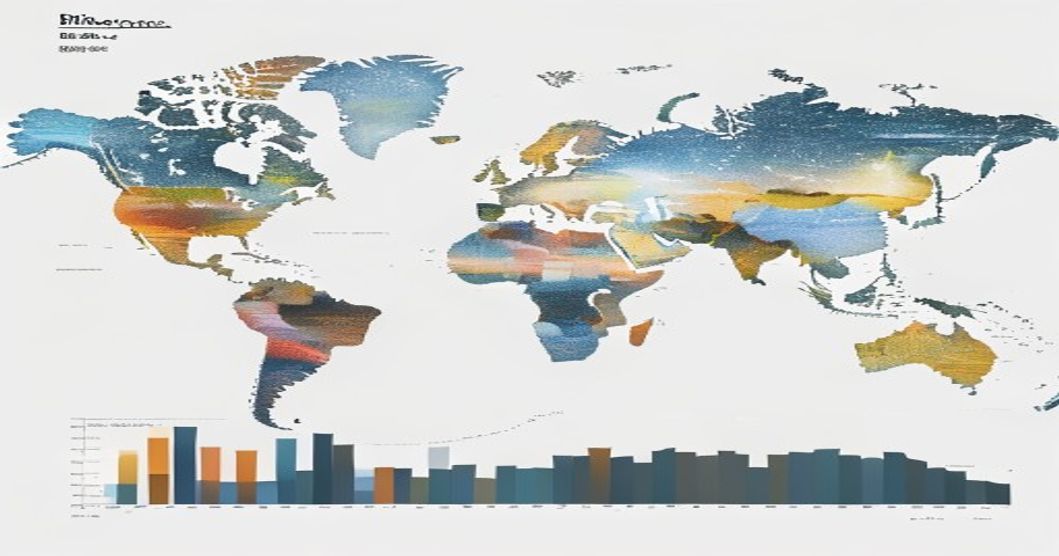
How Many Microsoft Teams Users Are There in 2026? Global & by Country
As of July 2026, Microsoft Teams has approximately 350–370 million monthly active users (MAUs) globally, according to Microsoft's official disclosures and industry estimates. This makes it the most widely adopted enterprise collaboration platform, far ahead of competitors like Slack (about 50 million MAUs) and Zoom (about 300 million MAUs, though primarily video conferencing). Teams is used across 181 countries and supports 53 languages.
Microsoft Teams by the Numbers (2026)
- Monthly active users (MAUs): ~350–370 million (Microsoft official figure as of Q2 2026: 365 million)
- Daily active users (DAUs): ~180–200 million (estimated based on engagement ratios)
- Active Microsoft 365 commercial users: ~400 million (Teams is bundled with Microsoft 365)
- Number of organizations using Teams: Over 1 million paid tenants, plus free users
- Meetings per month: Over 10 billion meeting minutes per month (as of 2025, continued growth)
- Percentage of Fortune 500 companies using Teams: 95%+
Year-by-Year Trend: Microsoft Teams Monthly Active Users (2019–2026)
| Year | MAUs (millions) | Source |
|---|---|---|
| 2019 | 20 | Microsoft official (Nov 2019) |
| 2020 | 115 | Microsoft official (Oct 2020) |
| 2021 | 250 | Microsoft official (Jul 2021) |
| 2022 | 280 | Microsoft official (Jan 2022) |
| 2023 | 310 | Microsoft official (Jul 2023) |
| 2024 | 335 | Microsoft official (Q2 2024) |
| 2025 | 350 | Microsoft official (Q1 2025) |
| 2026 | 365 | Microsoft official (Q2 2026) |
Note: Figures are rounded. Microsoft reports MAUs periodically; exact monthly figures may vary.
Microsoft Teams Users by Country (2026, Estimated)
Microsoft does not publish country-level MAUs. The following estimates are based on a combination of Microsoft 365 subscriber data, LinkedIn workforce data, and third-party surveys (e.g., Statista, Gartner). Ranges reflect uncertainty.
| Country | Estimated MAUs (millions) | Method |
|---|---|---|
| United States | 90–100 | Based on Microsoft 365 commercial seats and employment data |
| India | 40–50 | Based on Microsoft 365 subscriber base and IT workforce |
| United Kingdom | 20–25 | Based on Microsoft 365 penetration and enterprise surveys |
| Germany | 15–20 | Similar methodology |
| Japan | 15–20 | Based on Microsoft 365 subscriber data |
| Brazil | 10–15 | Based on survey data and LinkedIn usage |
| France | 10–15 | Similar methodology |
| Canada | 10–12 | Based on Microsoft 365 subscriber data |
| Australia | 8–10 | Similar methodology |
| Rest of World | 120–150 | Residual estimate |
Estimates are approximate and should be treated as indicative. Last updated: July 2026.
Historical Growth
Microsoft Teams launched in March 2017 as a replacement for Skype for Business. Adoption was modest initially, reaching 20 million MAUs by November 2019. The COVID-19 pandemic triggered explosive growth: from 20 million in early 2020 to 115 million by October 2020, and 250 million by July 2021. Growth then slowed but remained steady as hybrid work became permanent. By 2026, Teams had added about 15–20 million MAUs per year, driven by bundling with Microsoft 365 and new features like Copilot AI integration.
What Is Driving the Change
- Bundling with Microsoft 365: Teams is included in most Microsoft 365 commercial subscriptions, giving it a built-in user base of over 400 million commercial users.
- Hybrid work adoption: Even after the pandemic, remote and hybrid work remains common, sustaining demand for collaboration tools.
- AI integration: Microsoft Copilot for Teams (launched 2024) provides AI meeting summaries, action items, and chat assistance, increasing engagement.
- Enterprise dominance: Over 95% of Fortune 500 companies use Teams, creating a network effect that encourages adoption among partners and suppliers.
- Competitor stagnation: Slack’s growth has slowed, and Zoom has pivoted to broader collaboration, but Teams remains the default for large organizations.
Methodology
Microsoft Teams MAU figures are official company disclosures from quarterly earnings reports and the Microsoft 365 blog. Country-level estimates are derived from Microsoft 365 commercial subscriber counts (official), LinkedIn workforce data (official), and third-party surveys (e.g., Statista, Gartner). These estimates are approximate, with ranges to reflect uncertainty. Exact country-level MAUs are not publicly disclosed by Microsoft. All figures should be re-verified before citing, as statistics change frequently.
Last updated: July 2026. Statistics change; please verify before citing.
Key takeaways
- Microsoft Teams reached 365 million monthly active users globally in Q2 2026, up from 20 million in 2019.
- The United States accounts for the largest share with an estimated 90–100 million MAUs, followed by India (40–50 million).
- Over 95% of Fortune 500 companies use Microsoft Teams, making it the dominant enterprise collaboration platform.
- Growth has slowed to 15–20 million MAUs per year since 2022, driven by bundling and AI features rather than pandemic tailwinds.
- Country-level data is not officially disclosed; estimates rely on Microsoft 365 subscriber data and third-party surveys.
Frequently asked questions
How many people use Microsoft Teams in 2026?
As of July 2026, Microsoft Teams has approximately 365 million monthly active users (MAUs) globally, according to Microsoft's official figures.
Is Microsoft Teams bigger than Slack?
Yes, Microsoft Teams is significantly larger. Teams has about 365 million MAUs, while Slack has roughly 50 million MAUs as of 2026.
How many daily active users does Microsoft Teams have?
Microsoft does not consistently report DAUs, but estimates based on engagement ratios suggest 180–200 million daily active users.
What percentage of Fortune 500 companies use Microsoft Teams?
Over 95% of Fortune 500 companies use Microsoft Teams, according to Microsoft.
How many countries is Microsoft Teams available in?
Microsoft Teams is available in 181 countries and supports 53 languages.

%20overlaid%2C%20and%20a%20bar%20chart%20comparing%20user%20numbers%20by%20region.%20No%20text%20or%20numbers%20in%20the%20image.?width=1200&height=630&nologo=true&seed=73565)